


How Plastic Pallets Improve Hygiene in Food Manufacturing Facilities?

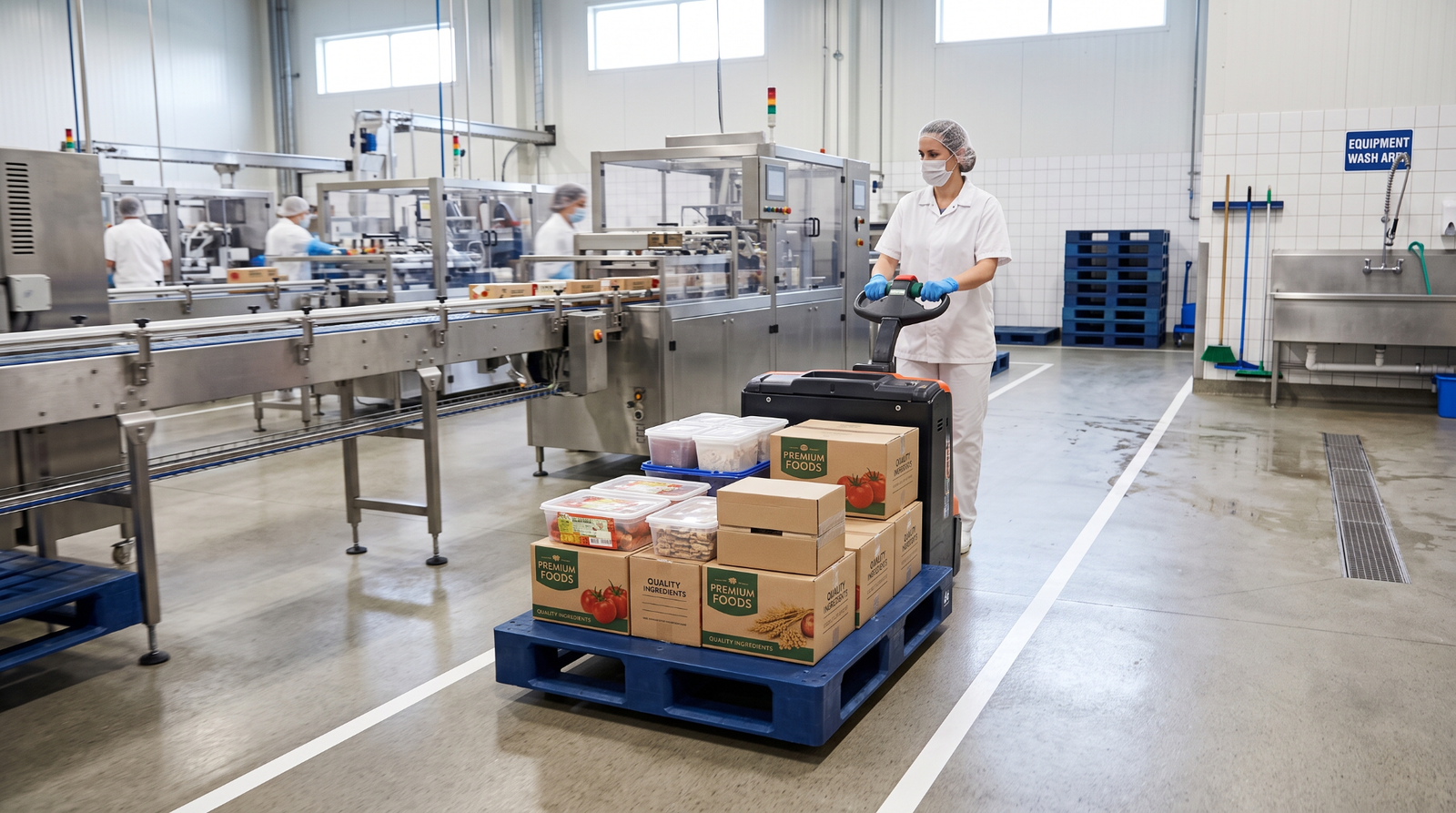
Food safety starts with clean handling systems. Every item that comes into contact with ingredients or finished products can affect product quality and consumer health. This is why food manufacturers pay close attention to every part of their supply chain.
Plastic pallets help improve hygiene by providing a smooth, non-porous surface that is easy to clean and sanitize. They do not absorb moisture like wooden pallets and are less likely to trap dirt, bacteria, or mold. They also reduce contamination risks during storage, transportation, and production.
Many businesses looking for plastic pallets in Dubai trust Crateco Pack LLC because durable plastic pallets support cleaner and safer food handling operations.
Why Does Hygiene Matter in Food Manufacturing?
Food manufacturing follows strict hygiene standards because even small contamination can cause serious problems. Bacteria, dust, chemicals, or moisture can spoil products and lead to costly recalls. Every stage of production must protect food from contamination.
Packaging and material handling equipment are part of this process. Pallets move raw materials, packaging supplies, and finished products throughout a facility.
If pallets are difficult to clean or collect contaminants, they can become a source of hygiene problems. Choosing hygienic pallets supports safer production and helps maintain consistent food quality.
How Plastic Pallets Reduce Contamination Risks in Food Manufacturing Facilities?
Plastic pallets are designed with hygiene in mind. Unlike wood, they have a solid surface that does not easily absorb water or food residue. This makes cleaning faster and more effective after every production cycle.
Since plastic does not splinter, there is no risk of small wood pieces entering food production areas. These pallets also resist mold, mildew, and many common chemicals used during cleaning.
Their smooth construction leaves fewer spaces where bacteria can hide, helping manufacturers maintain cleaner working environments.
1. Easy Cleaning Supports Better Food Safety
One of the biggest advantages of plastic pallets is their simple cleaning process. Food manufacturers regularly wash equipment using water, detergents, and approved sanitizers. Plastic pallets can handle these cleaning methods without losing their strength.
Because they dry quickly, they are ready to return to service sooner than many traditional pallet types. Fast cleaning also supports production schedules by reducing downtime. Consistent sanitation helps businesses maintain high hygiene standards throughout daily operations.
2. Smooth Surfaces Prevent Dirt Build-Up
The surface of a plastic pallet plays an important role in cleanliness. Smooth surfaces allow workers to remove food particles, dust, and liquids with less effort. Dirt cannot become deeply trapped inside the material.
Wooden pallets often develop cracks, rough edges, and damaged areas over time. These spaces can collect moisture and bacteria that are difficult to remove completely.
Plastic pallets avoid many of these issues because they keep their shape even after repeated cleaning and daily use.
3. Moisture Resistance Helps Prevent Mold Growth
Moisture is one of the biggest challenges in food manufacturing. Water is used during cleaning, processing, and temperature control. Materials that absorb moisture create ideal conditions for mold and bacterial growth.
Plastic pallets do not absorb water because they are made from non-porous materials. Even in cold storage or chilled environments, they remain dry and stable.
This helps reduce the risk of mold forming on the pallet surface and supports cleaner storage conditions for food products.
4. No Splinters or Loose Material
Wooden pallets naturally wear down over time. Splinters, loose nails, and broken boards can create hazards for both products and workers. Small wood fragments may also contaminate food production areas.
Plastic pallets maintain their structure even after repeated handling. They do not produce splinters, and their one-piece construction reduces the chance of loose parts entering production zones. This provides safer handling while protecting both food products and employees.
5. Better Resistance to Chemicals and Cleaning Agents
Food facilities use different cleaning products every day. These include detergents, disinfectants, and sanitizing solutions that remove bacteria and maintain hygiene standards.
Handling equipment must withstand frequent exposure to these chemicals. Plastic pallets offer excellent resistance to many cleaning agents used in food manufacturing.
They do not easily break down or weaken after repeated washing. This durability allows manufacturers to maintain strict sanitation routines without replacing pallets frequently.
6. Supports HACCP and Food Safety Programs
Many food manufacturers follow Hazard Analysis and Critical Control Point, commonly known as HACCP, to reduce food safety risks. Good hygiene practices are a major part of these systems.
Plastic pallets help support these programs by reducing contamination risks during storage and transportation. Their clean design makes inspections easier because workers can quickly identify dirt or damage.
Reliable handling equipment also helps companies maintain consistent hygiene procedures across different production areas.
7. Consistent Quality Across Every Production Area
Food factories often separate raw materials, processing, packaging, and finished goods into different zones. Clean pallets help maintain hygiene when products move between these areas.
Using the same hygienic pallet system throughout the facility creates consistent handling practices.
Employees also become familiar with cleaning and inspection procedures. This consistency reduces mistakes and supports better food safety throughout daily operations.
8. Strong Design Improves Long-Term Performance
Plastic pallets are built for repeated use under demanding conditions. They can carry heavy loads without cracking under normal operating conditions. Their strength helps prevent damage during transportation and warehouse handling.
Because they keep their original shape for longer, they continue providing hygienic performance throughout their service life.
Fewer damaged pallets also mean fewer replacements and less operational disruption. Businesses benefit from both improved cleanliness and long-term value.
9. Suitable for Cold Storage and Food Warehouses
Many food products require refrigerated or frozen storage before distribution. Low temperatures can affect some materials, causing cracks or weakening over time.
Plastic pallets perform well in chilled and frozen environments. They resist moisture and maintain their structure even when temperatures change.
This makes them suitable for food warehouses, cold storage facilities, meat processing plants, seafood operations, dairy manufacturers, and beverage production facilities where hygiene remains a top priority.
Additional Benefits Beyond Hygiene
While hygiene is the main reason many food manufacturers choose plastic pallets, they also offer several operational advantages.
Some additional benefits include:
- Lightweight handling that reduces worker effort during movement.
- Uniform dimensions for stable stacking and efficient storage.
- Long service life with lower replacement frequency.
- Reusable construction that supports sustainable business practices.
- Resistance to insects and pests because plastic does not attract termites or similar pests.
These advantages improve both workplace efficiency and product protection.
Choosing the Right Plastic Pallets for Food Manufacturing
Not every pallet is suitable for food production. Manufacturers should select pallets designed specifically for hygienic environments and heavy daily use. The right pallet should match the weight of products, storage conditions, and warehouse equipment.
It is also important to consider cleaning requirements, temperature exposure, load capacity, and handling frequency. High-quality pallets with smooth surfaces and durable construction provide better long-term performance.
Working with an experienced supplier helps businesses select solutions that meet operational and food safety requirements.
Conclusion
Maintaining hygiene is one of the most important responsibilities in food manufacturing. Every piece of handling equipment contributes to product safety, operational efficiency, and regulatory compliance.
Plastic pallets provide a cleaner alternative to traditional wooden pallets by resisting moisture, preventing splinters, supporting easy cleaning, and reducing contamination risks.
As food safety standards continue to become more demanding, investing in hygienic material handling equipment becomes even more valuable.
Durable plastic pallets help manufacturers maintain cleaner production environments while supporting reliable operations across warehouses, processing lines, and distribution facilities.