



Ousha Al Suwaidi: A Legendary Poetess of UAE “Fatat Al Arab”

Who Is Ousha Al Suwaidi?
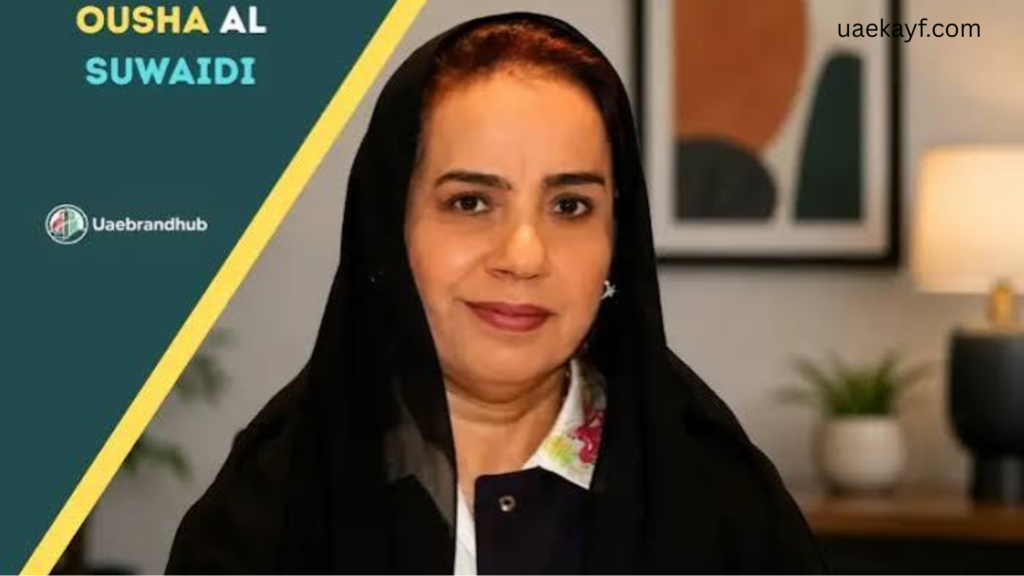
As far as one investigates Emirati heritage and culture history, one may meet a lot of figures; however, one name requires separate discussion – Ousha Al Suwaidi. Not only due to the fact that she is a poetess but due to the fact that she has become a cultural icon of the Emirati culture and pioneer of it. Born in 1920 as Ousha bint Khalifa Al Suwaidi, from a girl reciting verses in Al Ain she has become the famous poetess whose poems are still popular nowadays. Read about her life, poems and legacy below.
Al Ain: Birth, Family and Roots
Without mentioning Al Ain, the biography of Ousha Al Suwaidi cannot be discussed. Born on January 1, 1920, in Al Ain, she has grown up surrounded by the scenes of desert and palm trees characteristic for Bedouin culture. Thus, the landscapes of her native land have become the subjects of her poems. Her father, Khalifa Bin Al Sheikh Ahmad Bin Khalifa Al Suwaidi, belongs to the literary family, and her brother Ahmed Bin Khalifa Al Suwaidi is a public figure. Thus, growing up in such a family, Ousha has been expressing her emotions through the poems.
Literary Family: Literary Background of the Al Suwaidi Family
Continuing to speak about the background of Ousha, one should mention that she has been lucky not just to become a poetess. On the contrary, she has been born in the family which has been valuing verse and oral tradition, giving her the chance to obtain the education which was unique for the women of that time. Due to the value of verse and oral tradition, they have not discouraged her from expressing her emotions but encouraged her. Thus, in such an atmosphere, it has become possible for women of that time to express their abilities.
Poetic Awakening: Composing Poems at 14-15 Years Old
Being a teenager, Ousha Al Suwaidi has begun composing poems. According to different sources, she has begun composing poems when she was 14 years old, but according to other sources, she has become famous nationally when she was 15 years old. No matter what is the truth, it is clear that she has quickly passed from childhood to literary activity. While other girls of her age were trying to learn the basics of language, she has been composing Nabati poems full of emotions and sophistication. Being so young when she has started composing poems, she has had the chance to develop her poetic talent for decades.
What Is Nabati Poetry?
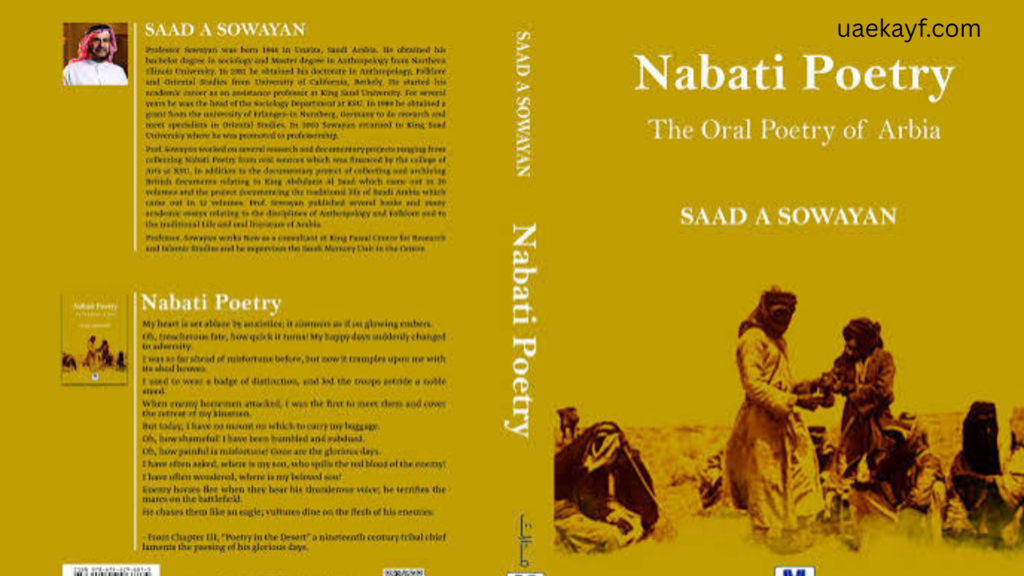
In order to understand the legacy of Ousha, one should speak about the poetic tradition which she has been developing. Originated among the nomadic Bedouins of the Arabian Peninsula, Nabati poetry differs from the classical Arabic poetry by language and rhythm. Unlike the latter, it uses not the classical literary Arabic, but its dialects, thus becoming understandable for everyone and not only elite. Being the oral tradition, it needs memorizing and reciting in gatherings in order to flourish. Hearing the Nabati poem, one can hear centuries of values and stories of the Bedouins compressed in the rhythmic verse.
Breaking the Barrier: Rising of a Woman in a Male-Dominated Literary World

Taking into consideration the historical context, one should say that the rising of Ousha to fame has been really extraordinary. In the 1950s and 1960s, the Nabati poetry has been written by men and women poets were not known publicly. But Ousha has managed to break these barriers and to become the respectable figure in the field which has been not ready for her.
Move to Dubai: Another Stage in Her Life and Career
In her later life, Ousha Al Suwaidi has moved from Al Ain to Dubai, becoming more famous in the Emirati cultural and political life. The move is significant due to the increasing importance of Dubai as the opportunity for her to become more famous and to make connections in Emirati society. Speaking about the stages of her career, one should say that she has obtained most of her famous honours after moving to Dubai, thus proving that she has become more famous there and used her advantages.
Literary Influences: Classical Arab Poets Whose Poetry Inspired Her
Though Ousha has been the poetess of oral Bedouin tradition, one can guess that she has used the classical literature as the source of inspiration. But she has learned and admired the works of classical Arab poets like Al Mutanabbi, Abu Tammam and Al Ma’arri. Such a combination of classical sophistication and accessibility of Nabati verse has made it possible for her to write poems which are appreciated by scholars and common people.
Local Nabati Masters: Poets Whose Poetry Inspired Her
Besides the classical poets, Ousha has been also inspired by the local Nabati poets like Al Majidi bin Thahir, Rashid Al Khalawi, Saleem bin Abdul Hai and Mohsin Hazzani. In such a way, she has created her local voice which has become famous later. Speaking about her literary influences, one can understand how she has positioned herself in the context of local Gulf poetry and has not created something separately from it.
Themes in Her Poems: Love, Wisdom, Patriotism and Nostalgia
Speaking about the poems of Ousha Al Suwaidi, one can say that there are some themes in her poems. Love, wisdom, patriotism and nostalgia have become the cornerstone of her poetry, expressing both her personal experience and values of the Emirati culture. Taking into consideration the fact that she has been writing poems during many decades, one can trace the development of these themes from the youth of the poetess to her old age.
Imagery in Her Poetry: Falcons, Palm Trees, Sand and Sea in Her Poems
One of the most distinctive features of the poems of Ousha is the imagery of desert. Falcon, palm tree, sand and sea appear in her poems not just describing the landscape, but having the symbolic meaning of overcoming difficulties and freedom, thus allowing her to invoke emotions by their means.
Sheikh Mohammed bin Rashid Al Maktoum: The 1989 Dedication
One of the most significant moments in the career of Ousha is 1989 when Sheikh Mohammed bin Rashid Al Maktoum, who wasthe Crown Prince of Dubai at that time, has dedicated the poem to her in his first published collection. Such a dedication is the proof of her cultural significance because it shows that the leader of UAE has appreciated her contribution to the Emirati literature. Taking into consideration the role of the royal patronage in the Gulf cultural context, one can understand why it has been so significant for Ousha.
From “Fatat Al Khaleej” to “Fatat Al Arab”: Her Honorary Titles
Ousha Al Suwaidi has been given not one but two honorary titles during her lifetime, and each of them has had its own meaning. Firstly, she has been given the nickname “Fatat Al Khaleej” which means “Girl of the Gulf”. This title reveals her regional affiliation. Secondly, being a part of 1989 dedication, Sheikh Mohammed bin Rashid Al Maktoum has given her another title “Fatat Al Arab” or “Girl of the Arabs”. Comparing these two titles, one can trace the development of her reputation.
Oral Transmission: The Way of Her Poems Transmissions Without Written Records
Because Nabati poetry is the oral tradition, most of the poems of Ousha has been transmitted orally and not in the written form. Her poems have been memorized and recited in gatherings, thus becoming spread among people and from generation to generation. Such a way of transmission needed the ability of poems memorization and appreciation by the audience. Taking into consideration the fragility of the oral tradition, one can understand why the preservation of Ousha’s poems in such a way has been so significant.
Recognition and Honours: Recognition at the Sharjah Festival of Classic Poetry (2010)
Ousha Al Suwaidi has been recognized at the 11th Sharjah Festival of Classic Poetry in 2010. This festival has been devoted to the classical and traditional Arabic poetry and became the evidence of her achievements in the history of Emirati literature. Taking into consideration the moment of recognition, one can say that it has happened relatively late in her life, and it indicates the tendency: pioneering women of the Emirati arts and culture have been recognized late in their lives.
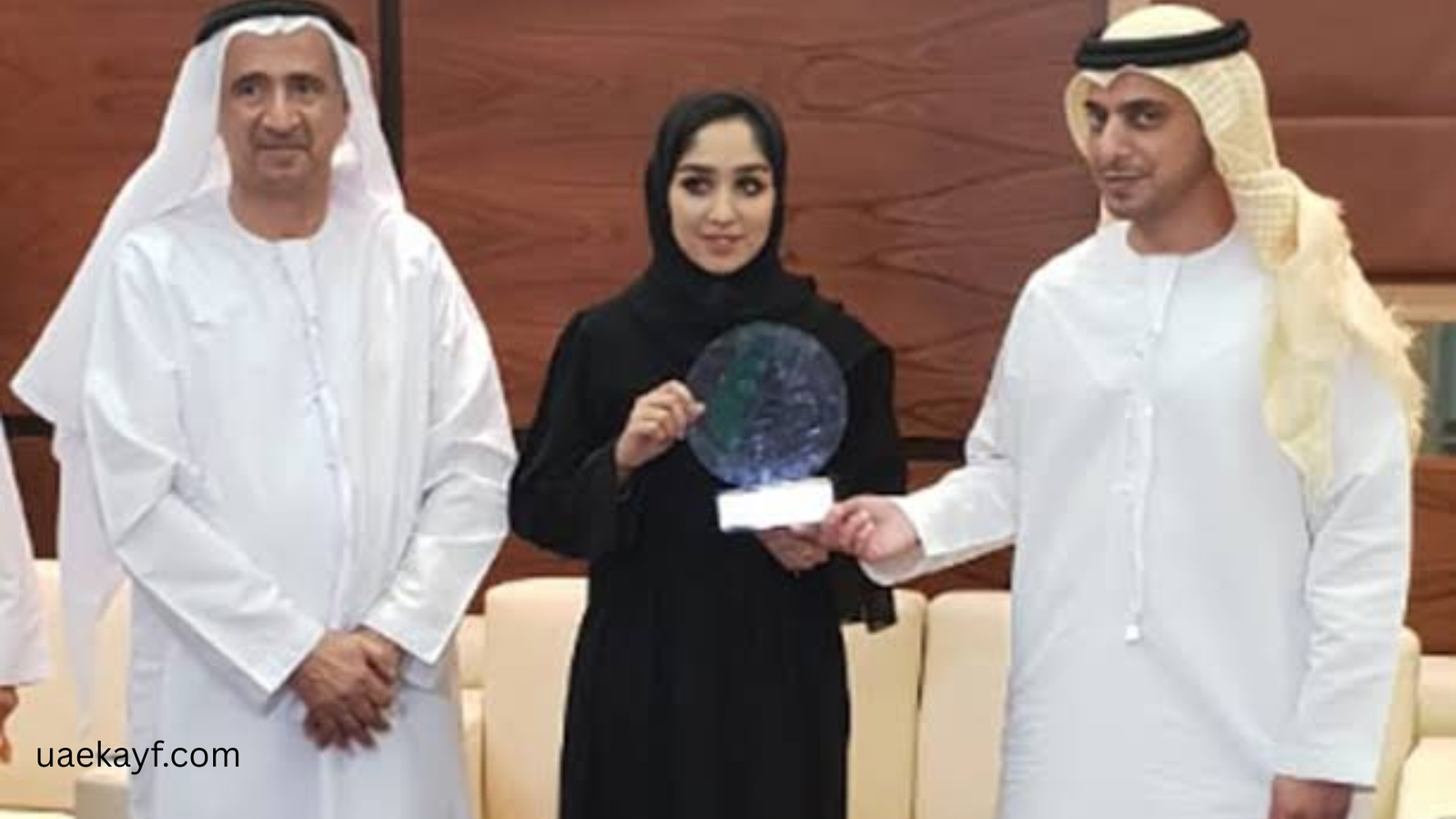
Recognition and Honours: Abu Dhabi Award (presented by Sheikh Mohammed Bin Zayed)
After being recognized at the Sharjah Festival of Classic Poetry, Ousha Al Suwaidi has received Abu Dhabi Award from Sheikh Mohammed Bin Zayed Al Nahyan. Such a recognition has become the reason to make her the national treasure, thus appreciating her contribution to the Emirati poetry outside of Dubai and Sharjah and increasing her recognition.
Honoured Tribute: Annual Ousha Al Suwaidi Award for Female Poets
In 2011, the community of the Emirati poetry has created the annual award named after Ousha Al Suwaidi, awarding the female Emirati poets. Such a tribute has become the recognition of her achievements, but at the same time, it gives the opportunity to make her legacy more valuable, giving the opportunity for the young female poets to follow her example.
Institutions: Emirates International School Library and the Women’s Museum
Besides the awards, the legacy of Ousha is preserved through institutions. There is the library of the Emirates International School which bears her name, and there is the special section devoted to her legacy in the Women’s Museum in Dubai. In such a way, her influence is preserved not only in the poetry sphere but also through institutions.
Her Cultural Legacy and Significance: The Symbol of Empowerment of the Emirati Women
During her lifetime, Ousha Al Suwaidi has become the symbol of empowerment of the Emirati women in the literary industry of UAE, showing that the talent and perseverance can overcome the barrier of gender discrimination. Taking into consideration the influence that she has had on the young poets of the UAE, one can say that Ousha has become the proof for the young women that they can find their voice in the literary field which has been mostly male.
The Final Years and Her Passing Away: Death in Dubai (2018)
Ousha Al Suwaidi has died on July 27, 2018, in Dubai, aged 98. Her long life has been the witness of the development of UAE from the Trucial States to the country which has become globally connected. Taking into consideration the lifespan of Ousha, from 1920 to 2018, one can start comprehending the scale of historical events that she has witnessed.
Tribute on Google Doodle (2022): An Introduction to a New Generation
On November 28, 2022, Ousha Al Suwaidi has been honoured by the Google Doodle, which has been illustrated by Abu Dhabi-based artist Reem Al Mazrouei. In such a way, she has become introduced to the whole world through Google, including those people who have never heard about Nabati poetry before. Searching for Ousha now, one can find the references to this Doodle, thus introducing her to the people who know nothing about her legacy.
Enduring Influence on the Contemporary Emirati and Gulf Poets
Nowadays, one can observe the influence of Ousha Al Suwaidi in the contemporary Emirati and Gulf poets, especially women who consider her as their inspiration. Her achievement has become the reason for opening the way for the following generations of poets, normalizing the idea of women speaking in Nabati poetry. Taking into consideration the contemporary Emirati literary scene, one can find her fingerprints everywhere.
Conclusion: Why the Legacy of Ousha Al Suwaidi Is Important Today
Summarizing the life of Ousha Al Suwaidi, one can understand why her legacy is so important for the Emirati and Arab cultural history. From her early poems in Al Ain to her royal recognition in Dubai, from her pioneering role as a woman in a male-dominated field to her recognition and influence, her life has touched almost all aspects of Emirati heritage. Her poetry is still read and recited, thus ensuring that her voice, which is based on the sands, falcons and palm trees of her native land, will resonate with future readers.
Who Is Ousha Al Suwaidi?
Ousha Al Suwaidi, also known as Ousha bint Khalifa Al Suwaidi, is an Emirati poetess born in 1920 in Al Ain. She is considered as one of the best Arabic Nabati poets of the twentieth century.
What Is Nabati Poetry?
Nabati poetry is a traditional oral poetry which originated among the nomadic Bedouins of the Arabian Peninsula. It uses the spoken Arabic dialects rather than the classical literary Arabic.
Why Was She Called “Fatat Al Arab”?
She has been called “Fatat Al Arab” by Sheikh Mohammed bin Rashid Al Maktoum in 1, when he has dedicated the poem to her in his first published collection, replacing her previous nickname of “Fatat Al Khaleej.”
When and Where Was She Born and When Did She Die?
She has been born on January 1, 1920, in Al Ain and died on July 27, 2018, in Dubai aged 98.
What Awards Did She Receive?
She has been recognised at the 11th Sharjah Festival of Classic Poetry in 2010 and received Abu Dhabi Award from Sheikh Mohammed Bin Zayed Al Nahyan shortly thereafter.
How Is She Honoured Today?
She is honoured nowadays through the annual poetry award established in her name in 2011, library of the Emirates International School named after her, a special section in the Women’s Museum in Dubai, and Google Doodle of 2022 which honours her legacy.