

Why Dubai Highway Driving Can Reveal Hidden Suspension Problems

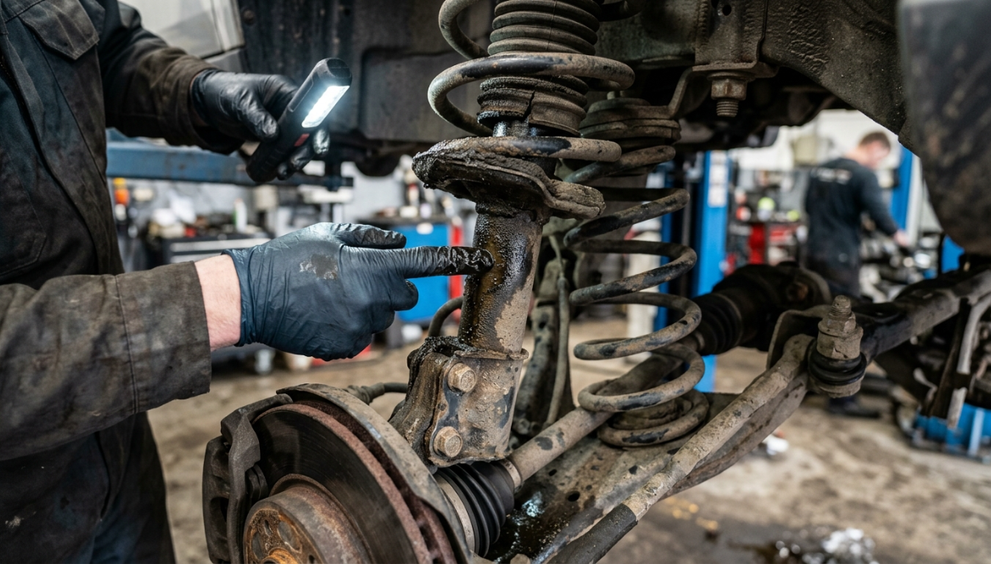
Dubai highways are built for smooth, fast travel, but they can also reveal problems that go unnoticed during short city trips. A car may feel normal at low speeds while small suspension faults are already developing beneath the surface.
Dubai highway driving can reveal hidden suspension problems because high speeds place more stress on worn parts and make small faults easier to notice.
Extreme heat, speed bumps, dust, road dips, and long highway trips can also weaken suspension parts over time. Once you reach higher speeds, these issues may appear as shaking, drifting, bouncing, or unusual noises.
How Dubai Highway Driving Can Reveal Hidden Suspension Problems?
1. High Speeds Make Small Suspension Faults Easier to Feel
A worn suspension part may not cause a clear problem when driving slowly through city streets. At highway speeds, the wheels move much faster, and the car faces stronger forces. Even a small amount of movement in a worn joint or bushing can become noticeable.
The steering wheel may start to shake, or the car may feel less stable when changing lanes. This is why a driver may think a suspension problem appeared suddenly on the highway when it was actually developing for months.
2. Worn Shock Absorbers Can Create a Floating Feel
Shock absorbers help control how quickly the wheels and springs move after hitting a bump or dip. When they become weak, the car may continue moving after the road has already become smooth.
This can create a soft, floating feeling on highways. The problem may become more obvious after passing a dip or road joint at high speed.
The car can bounce more than once, making it harder to keep a steady line. Drivers may also notice more body movement during lane changes.
3. Loose Bushings Can Affect Steering Control
Suspension bushings are rubber parts that help connect different suspension components while reducing unwanted movement and noise. Dubai’s high temperatures can cause rubber to become hard, dry, or cracked over time.
As the bushing loses its strength, the connected part may move more than it should. At low speeds, this movement can be difficult to notice.
On a highway, the same small amount of play can affect steering response. The vehicle may feel less precise, especially when changing lanes or driving over uneven road surfaces.
4. Extreme Heat Can Weaken Suspension Components
Dubai’s summer heat can place heavy stress on many vehicle parts, including suspension components. Temperatures above 45°C can speed up the aging of rubber seals, bushings, and other flexible parts.
Heat can also affect the fluid inside shock absorbers, reducing their ability to control wheel movement when the system is already worn. Over time, these changes may reduce suspension performance.
A driver may not notice the damage during a short trip, but a long highway journey can expose the weakness through bouncing, vibration, or poor road control.
5. Speed Bumps Can Cause Damage Over Time
Speed bumps are common on roads around Dubai and can put strong loads on the suspension when crossed too quickly. One hard impact may not cause an obvious problem, but repeated impacts can slowly damage springs, bushings, mounts, and other parts.
A damaged component may continue working well enough for normal city driving. However, when the car reaches highway speed, the weakness can become much easier to feel.
Drivers who regularly travel over speed bumps should pay attention to new knocks, uneven ride height, or changes in steering response.
6. Desert Dust Can Affect Moving Suspension Parts
Dubai’s dry climate means cars are often exposed to fine sand and dust. These particles can collect around suspension joints and other moving areas. If protective covers become damaged, dirt can also reach parts that depend on grease for smooth movement.
Over time, this can increase wear and create stiffness or noise. The effect may be small at first. A highway trip can make it more noticeable because the suspension has to work continuously while the wheels move over small road changes at higher speed.
7. Wheel Alignment Problems Become More Serious at Speed
A small alignment problem may not seem serious when driving around town. The car may still move forward without much effort, so the driver may ignore a slight pull to one side.
At highway speed, the same issue can make the vehicle harder to control. The car may drift when the driver relaxes the steering wheel or may react more strongly to road changes and crosswinds. Uneven tire wear can also develop.
Checking alignment after hard impacts or unusual steering changes can help prevent a small issue from becoming a bigger problem.
8. Road Dips and Uneven Surfaces Test Weak Springs
Dubai highways are generally smooth, but drivers can still encounter dips, raised sections, bridge joints, and uneven surfaces. These features make the suspension move quickly to keep the tires in contact with the road.
Weak or damaged springs may struggle to control this movement. The vehicle can feel too soft, bounce after a dip, or even bottom out when the suspension reaches its limit.
These signs may only appear at higher speeds because the suspension has less time to react to each change in the road.
9. Crosswinds Can Expose Weak Sway Bar Parts
Open highways can expose vehicles to strong side winds, especially when traveling beside large trucks or through open areas. A healthy suspension helps the vehicle remain stable when outside forces push against it.
Worn sway bar links, bushings, or other related parts can reduce this stability. The car may feel like it moves sideways more than expected or needs more steering input to stay straight.
A driver may blame the wind alone, but repeated movement during normal conditions can be a sign that the suspension needs inspection.
10. Highway Vibrations May Point to More Than Tires
Steering wheel vibration is often blamed on tire balance, and that can be correct. However, suspension problems can also create or increase vibrations at higher speeds. Worn control arm bushings, tie rods, ball joints, or other loose parts can affect how the wheel stays in position.
A tire problem may create a steady vibration at a certain speed, while a suspension fault can also come with steering play, uneven tire wear, or clunking sounds. Checking the full wheel and suspension system is safer than replacing tires without finding the real cause.
11. Unusual Noises Should Not Be Ignored
A clunk, knock, squeak, or metallic sound from underneath the vehicle can be an early warning sign. Some noises happen when the car crosses a road joint, while others appear during braking, turning, or lane changes.
Worn sway bar links, control arm bushings, ball joints, or suspension mounts can produce different sounds as they become loose.
Highway driving can make these noises easier to hear because the suspension moves more quickly and the vehicle spends longer periods under load. A new sound should be checked before it becomes a safety concern.
When Should You Get the Suspension Checked?
Drivers should not wait for a major failure before checking the suspension. A vehicle that starts shaking, drifting, bouncing, or making new noises deserves attention, especially if these signs become stronger at highway speeds.
Uneven tire wear, a steering wheel that is no longer straight, or a car that feels unstable after a road impact are also useful warning signs. If you notice these changes, arranging car suspension repair early can help identify worn parts before they affect other components or make highway driving less comfortable.
Conclusion
Dubai highway driving can expose suspension problems because high speeds make small faults easier to feel. Heat, speed bumps, dust, road dips, crosswinds, alignment issues, worn shocks, and damaged rubber parts can all reduce vehicle stability over time.
Signs such as steering vibration, drifting, bouncing, uneven tire wear, and unusual noises should not be ignored. Regular inspections can catch these problems early and help keep the vehicle stable on busy highways. If the warning signs continue, timely car suspension repair can help restore safe and comfortable handling.
Also Read: Al Ain to Sharjah Bus timings