Tangier: Morocco’s Legendary International City Where Continents Converge

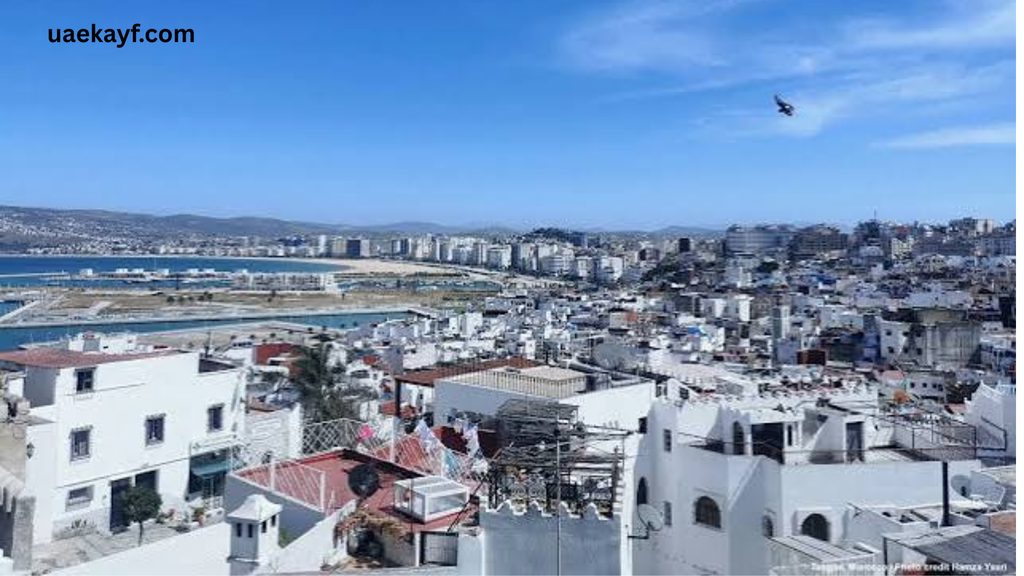
You get off the ferry and in a few minutes you realize that you have never been in another part of Morocco. Whitewashed buildings are running down the hill towards the strait glittering before your eyes and Europe is visible from where you are standing. This is what makes Tangier what it is – for centuries, it has been the crossroad of several continents, empires and dozens of cultures. When people say that Tangier is the international city of Morocco, they are not exaggerating. You are going to find out why the port city deserves this title, what role it played in the creation of the modern Morocco and why it attracts travelers, investors and visionaries even today. By the end of this article, you are not going to learn only about the city itself, but also about its role in the urban history.
A Brief Geography Lesson: The Gateway to the Strait of Gibraltar
Before we start to tell you about the history of such an unique city, we need to tell you about its geography. Find the city on the map – it is located in the northernmost point of Morocco where the Atlantic Ocean meets the Mediterranean Sea. On a sunny day you will be able to see the coast of Spain not so far away and the Strait of Gibraltar that separates you from Europe. You will be able to reach the continent in less than an hour using the ferry. This is what made Tangier unique for thousands of years for the merchants, sailors, spies and settlers.
The Birth of an International Zone (1923-1956)
This is the moment when the really unique part of the city’s history starts. In 1923, several states signed the agreement turning the city into the zone that can be rarely seen in the history of the world – the internationally administered zone. Unlike other cities of those days, France, Spain, Britain and later other countries agreed to administer the zone together, thus separating Tangier from the rest of the French and Spanish protectorates ruling the rest of Morocco. You can see the zone as the buffer zone, which was demilitarized and internationally administered in order to prevent any of the European countries to claim the port.
How People Lived in the International Zone
Imagine yourself living in the city where you can pay for the food in pesetas, francs or pounds sterling in one day, and you can do it all in a matter of minutes. Several legal jurisdictions existed parallel, several consulates of different countries tried to assert their rights to jurisdiction in the city, and the government was quite unique. Moreover, the city served as the free port, which meant that the goods were entering the city without paying any taxes or being limited. It resulted in the fact that Tangier became attractive for trading, currency speculation and businessmen who wanted to conduct their business without any controls.
Tangier as the Destination for Artists, Writers and Eccentrics
You cannot speak about Tangier without speaking about the people with the unique creative talents who made the city their home. For example, the American writer Paul Bowles lived in Tangier for decades and described the unique atmosphere of the city much better than anyone else. Among the creative people, you will find the representatives of the Beat Generation – William S. Burroughs, Jack Kerouac and Allen Ginsberg who came to the city because of cheap rents, liberal laws or freedom of spirit. You will find the painters, composers and photographers who were interested in the unique legal status of the place.
Espionage, Intrigue and the “Wild West” Image
During the middle of the twentieth century, Tangier was full of spies. Its unique international administration made Tangier the perfect place for the eavesdropping and surveillance during the World War II and the beginning of the Cold War and led to the establishment of the offices of the various intelligence agencies in the cafés and hotels of the city. Together with this, there was the lawlessness in some parts of Tangier, which included smuggling, black market and the general feeling that the normal rules did not work in this city. Of course, you have to take the “anything goes” image of Tangier with a grain of salt – the life there was relatively normal, and the myth grew with each retelling of it. However, this is what makes Tangier unique.
The End of Internationalization: Reintegration of Tangier into Morocco
When Morocco got its independence from France and Spain in 1956, it had to give the unique status of Tangier. The city became reunited with the rest of the country, losing its international administration and free-port privileges. This was not an easy process. The businesses that flourished in the time of the tax-free regime had to adapt to the new conditions and the flow of investments decreased. For decades, Tangier was living its quiet provincial life, which was economically overshadowed by Casablanca and politically by Rabat.
Old Medina and Kasbah: Layers of History
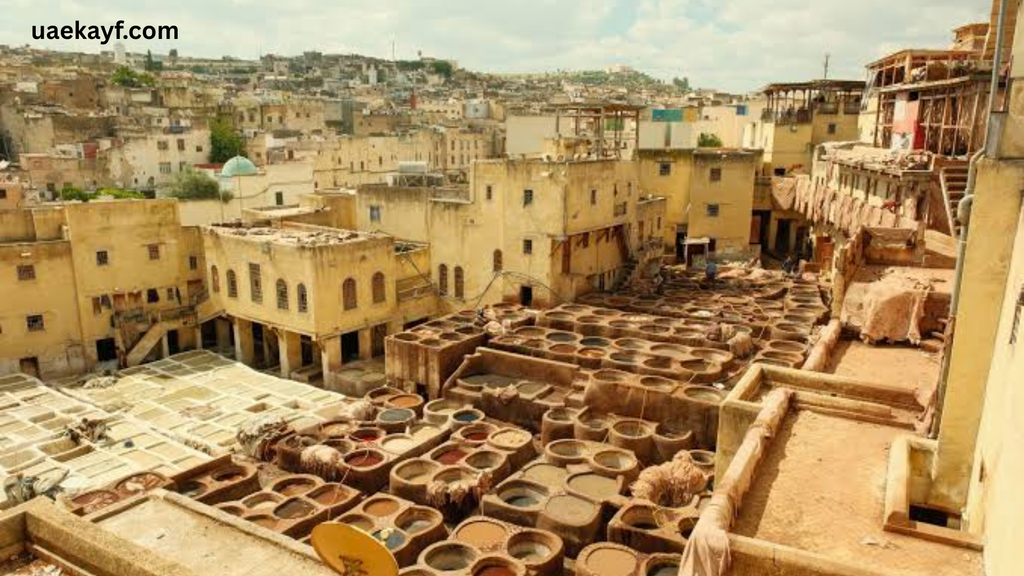
While walking around the old medina of Tangier, you will feel the layers of the history of the place. The narrow streets are filled with the Andalusian-style architecture of doorways, Spanish colonial buildings and traditional Moroccan riads located all in a matter of feet from each other. Climbing up to the Kasbah, which is a fortified quarter overlooking the strait, you will find the Kasbah Museum situated in the former sultan’s palace and offering the information about the history of the region before the colonization. Don’t forget to visit the Petit Socco, a small square, which was the heart of the international zone café culture back in those days. You could spend a day there, and you still would not see everything.
Modern Tangier: The Economic Revival
If you visited Tangier a couple of decades ago and now you are returning there, you will be unlikely to recognize the skyline of the place. The major investments in the transformation of the city into the economic center were made by Morocco, and the most important landmark of this initiative is Tanger Med, which became one of the largest and busiest ports of the entire African continent. You will see the ships loaded with the goods from Europe and America moving through the terminal which appeared not so long ago. The free-trade zones near the port attracted the investments of the major international corporations, mainly in the automotive industry, making Tangier one of the leading industrial centers of Morocco.
Infrastructure Development: Railways, Ports and Highways
You will feel the transformation of Tangier most vividly if you take the Al Boraq, the first high-speed rail of Africa, connecting the city to Casablanca in about two hours. Twenty years ago, such transportation was impossible. Together with the railway, you will notice the construction of the highways connecting Tangier to the rest of the northern Morocco and the development of the port facilities at Tanger Med. This development is not only about the comfort – it is about the strategy of positioning the city as the link between Africa and Europe. Every extension of the railroad and highway brings Tangier closer to the goal.
Tangier’s Unique Cultural Identity
The international image of Tangier did not disappear with the disappearance of international zone – it just changed. At any street corner, you will hear the Arabic, Amazigh (Berber), Spanish and French languages being spoken interchangeably, sometimes by the same person. This linguistic diversity is the result of the centuries-old cultural fusion in the city and it is felt even in the cuisine of the city. You might be offered the plate of the paella-inspired seafood dishes and the traditional Moroccan dish of tagine in the same day, and both of them will fit perfectly into the menu of Tangier. It is not the product of the tourism industry – it is just how the city works.
Famous Cafés of Tangier and Their Rich History
The café culture is very strong in Tangier and you should definitely spend some time on its experience, not just passing by it. The legendary Café Hafa, situated on the cliff overlooking the Atlantic Ocean, serves the mint tea for the fishermen and celebrities visiting the city from the late 19th century, and the view from there alone is worth the visit. The other historical cafés, which are scattered around the city, used to serve as the meeting points for the spies, revolutionaries and exiles discussing their next move. Drinking the tea in these places is not just drinking – it is the ritual of spending the hour watching the strait and letting the conversation flow.
Religious and Communal Diversity
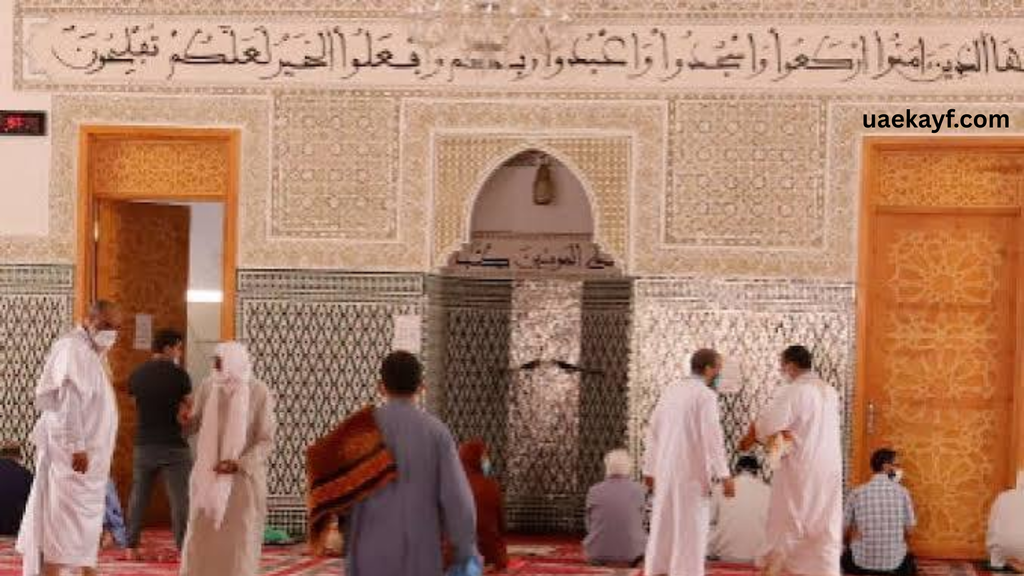
The international history of Tangier left the real tapestry of the religious diversity that can be noticed even today. The mosques coexist with the Catholic and Anglican churches, the monuments of the era of the European colonizers. You will have a chance to see the signs of the once flourishing Jewish community of northern Morocco, its synagogue and cemetery. It did not always work smoothly, but it gave Tangier the unique landscape, which no other Moroccan city has.
Tangier in the Film and Popular Culture
Perhaps, you have already seen Tangier in the films without even knowing it. It is famous for its dramatic and atmospheric coastline and medina attracting the film production companies for decades giving them the feeling of the mystery and glamour for their stories. But apart from the films, you will constantly see Tangier in the travel literature and literary fiction as the symbol of the intrigue, self-reinvention and escape – the place where characters can disappear or discover something about themselves. This mythical city created over the course of the century in the literature influences the perception of Tangier even before someone visits it.
Top Tourist Attractions in Tangier
If you are planning your trip, you should definitely prioritize these sights. The Cape Spartel, which is the place where the Atlantic Ocean and the Mediterranean Sea technically meet, provides the spectacular view of the coast and easy access to the nearby Caves of Hercules. The American Legation Museum, situated in the first foreign public property gifted by Morocco, tells the history of the oldest continuous diplomatic relationship in the United States. In the city center, the Grand Socco square provides the place for the busy people-watching, shopping and orientation before entering the medina of the city.
Getting to Tangier and Moving Around the City: The Gateway City
It is not difficult to reach Tangier. You can use ferries that connect the city to the Spanish cities of Tarifa and Algeciras in about 90 minutes and Tangier becomes the popular day trip destination for the tourists from Europe. Besides, you have the Ibn Battouta Airport that connects Tangier to the major cities of Europe and the Middle East and the Al Boraq rail line connects the city to the rest of Morocco. The city center is walkable, and you can move around the rest of the city by taxi and buses.
Tangier Today: A City That Reinvents Itself
The government of Morocco invests in the “Tangier Metropolis” project, which is the urban renewal project of the large scale aimed at the modernization of the infrastructure and preservation of the historical appearance of the city. You will see the new residential and business districts being constructed in parallel with the restoration of the old medina. Balancing these processes is not easy – city planners try to balance the rapid modernization and the danger of destruction of the historical aspects of the city. Right now, both of them are obviously taking place at the same time: the new and bright buildings are being constructed not far from the ancient walls of Kasbah.
The Role of Tangier in the Global Trade Strategy of Morocco
Zooming out, you will see the importance of Tangier in the larger context of the strategy of Morocco. It is located in the crucial point along the trade corridors between Africa and Europe and Tanger Med handles the large shipping volume, comparable with the European ports. Compare it with Casablanca, which is the traditional commercial center of Morocco, and Rabat, which is its capital, and you will see that Tangier succeeded in occupying the unique niche in the country – it is the gateway for the global trade and manufacturing of Morocco.
Challenges Facing Modern Tangier
Of course, the rapid growth comes with its challenges, and you should approach this city with some realism. The rapid growth of the population leads to the pressure on the housing and increases the prices of it in some neighborhoods. The growth of the tourism brings the economic benefits to the city, but puts the pressure on the infrastructure and may lead to the pushing out of the residents of the historic districts of the city. There are debates regarding the sustainable development considering the industrial development of the port and rapid urbanization. All of these do not diminish the appeal of the city, but are the important aspects of it.
What Makes Tangier Special for Travellers and Investors
Finally, we come to the question of why this place is so appealing. Firstly, it is just its history – there are few cities in the world with such a unique experience as internationally administered zone. Secondly, it is the current economic situation with Tanger Med and free trade zones attracting the investors. And finally, it is the atmosphere of the city, its combination of the bohemian allure and the forward-thinking that you cannot see anywhere else in Morocco and perhaps even in the world.
Conclusion
Now, you have learned the unique history of Tangier from its early history to the modern times. Few cities have such a rich history, current state and prospects, which are obvious in its streets, architecture and everyday life. No matter what interests you – the literary past, economic prospects or the view of Europe from the strait, Tangier will reward the person who will be able to see beyond its surface. Being the first international city of Morocco, it has always been influenced by insiders and outsiders alike and belongs to both the Morocco and the outside world.
Frequently Asked Questions (FAQs)
Why was Tangier called the “international city”?
Between 1923 and 1956, several foreign powers governed the city according to the special agreement, giving it the unique political and legal status that differed from the rest of Morocco.
When did the international status of Tangier end?
The international status of the city ended in 1956, when Morocco gained its independence and Tangier became the part of the rest of the country.
Is Tangier safe for tourists?
Indeed, it could be stated that Tangier is a relatively safe destination for tourists, though you should apply the same rules as in case of traveling to any big port city.
Which languages are spoken in Tangier?
The language which is used in Tangier is the Arabic and Amazigh languages, but in this city there are also used languages like French and Spanish because of the history of this place.
In what way Tangier is different from the other major cities of Morocco like Casablanca or Marrakech?
The difference between the identities of these cities lies in the fact that the identity of Tangier is based on trade, logistics and internationalism of the city; while Casablanca is considered to be the business capital of Morocco, and Marrakech is popular with tourism and imperial past.
What is Tanger Med? Why Tanger Med is important?
Tanger Med is the name of the port complex which is situated nearby Tangier, and which is one of the biggest African ports connected with Morocco and Europe for trading purposes
.Is it possible to visit Tangier in one day from Spain?
Yes, because the ferries between Spain and Morocco spend less than 90 minutes in Strait of Gibraltar.
Read Also:Rolla Market Sharjah