
Can Bird Droppings Cause Lung Problems?

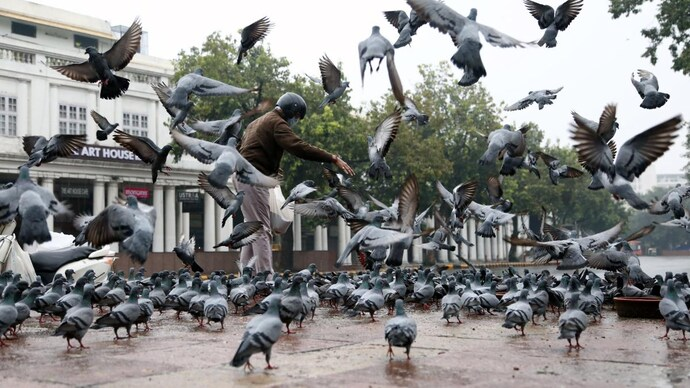
Bird droppings cause lung problems when dried waste releases fungal spores and bacteria into the air. People inhale these particles and develop infections such as histoplasmosis, cryptococcosis, and psittacosis. Pigeon, crow, and myna droppings carry the highest risk. Understanding the health risks and the right prevention methods protects your family, staff, and property.
Yes. Dried bird droppings release spores of Histoplasma capsulatum and Cryptococcus neoformans, and bacteria like Chlamydia psittaci. Inhaling them causes histoplasmosis, cryptococcosis, psittacosis, and hypersensitivity pneumonitis. Professional bird control and safe cleanup remove the risk.
How Bird Droppings Cause Lung Problems
Fresh droppings are not the main threat. The danger starts when waste dries, crumbles into dust, and mixes with soil, nesting material, and feathers. Wind, fans, air conditioning units, and cleaning activity lift this dust into the air.
Fungi and bacteria thrive in this environment. Histoplasma capsulatum grows in nitrogen-rich soil enriched by bird and bat waste. Cryptococcus neoformans lives in dried pigeon droppings. Chlamydia psittaci spreads through dust from infected birds’ feathers, feces, and respiratory secretions.
When you breathe in contaminated dust, microscopic spores travel into the air sacs of your lungs. A healthy immune system often clears them. People with weak immunity develop serious infections.
Lung Diseases Linked to Bird Droppings
Four conditions account for most cases. Each one affects the lungs differently.
Histoplasmosis: a fungal lung infection caused by Histoplasma capsulatum. Symptoms appear 3 to 17 days after exposure and include fever, dry cough, chest pain, and fatigue. Severe cases spread beyond the lungs and need antifungal medication such as itraconazole.
Cryptococcosis: caused by Cryptococcus neoformans, a yeast found in pigeon droppings. It starts in the lungs and can reach the brain, causing meningitis. People with HIV, cancer, or organ transplants face the highest danger.
Psittacosis: bacterial infection caused by Chlamydia psittaci. Symptoms appear 5 to 14 days after exposure and resemble pneumonia: high fever, headache, muscle pain, and dry cough. Doctors treat it with antibiotics such as doxycycline.
Hypersensitivity pneumonitis: allergic reaction to bird dust and proteins. Repeated exposure inflames the lung tissue and causes shortness of breath. Chronic cases lead to permanent scarring called pulmonary fibrosis.
Who Faces the Highest Risk
Anyone who inhales contaminated dust is at risk. Some groups face greater danger because their lungs or immune systems are weaker.
●Children and adults over 65
●People with asthma, COPD, or other chronic lung disease
●Patients on chemotherapy, steroids, or immunosuppressant drugs
●People living with HIV/AIDS
●Maintenance workers, cleaners, and roofers who work around nesting areas
Where Bird Dropping Hazards Hide in Dubai
Dubai’s high-rise buildings, mall facades, and warehouses give pigeons and mynas ideal nesting spots. Birds settle in air conditioning ducts, rooftop plant rooms, balconies, false ceilings, and shaded parapets.
Dry heat speeds up the drying of droppings, which turns waste into airborne dust faster. Air conditioning systems then spread that dust through entire buildings. A single pigeon produces about 11 kg of droppings per year, so a small flock builds a serious hazard within months.
Warning Signs of Bird-Related Lung Infection
See a doctor if you have been near bird droppings and notice these symptoms:
- 1.Persistent dry cough lasting more than 7 days
- 2.Fever above 38°C with chills
- 3.Chest pain or tightness when breathing
- 4.Unusual fatigue and muscle aches
- 5.Shortness of breath during normal activity
Tell your doctor about your bird exposure. A chest X-ray, blood test, or urine antigen test confirms the diagnosis.
How to Clean Bird Droppings Safely
Safe cleanup keeps spores out of the air. Follow these steps for small areas such as a balcony or windowsill.
Wear protective equipment: Put on an N95 or FFP3 respirator, disposable gloves, safety goggles, and disposable coveralls. A basic cloth mask does not stop fungal spores.
Ventilate the area: Open windows and switch off fans and air conditioning units. This prevents dust from spreading indoors.
Wet the droppings: Spray the waste with a disinfectant or a 10% bleach solution until it is damp. Wet droppings do not release dust.
Remove the waste: Scrape the damp material with a plastic scraper into a heavy-duty bag. Never sweep or use a dry brush.
Disinfect the surface: Scrub the area with disinfectant and let it sit for 10 minutes. Wipe it clean with disposable cloths.
Dispose of everything safely: Double-bag the waste, gloves, and cloths. Seal the bags and place them in an outdoor bin.
Wash up: Remove your equipment outside, then shower and wash your clothes at 60°C.
Large infestations need professional help. Roofs, ducts, and false ceilings with heavy dropping buildup require HEPA vacuums and trained technicians.
Bird Dropping Safety Checklist
Use this checklist before and after any cleanup:
●Respirator (N95/FFP3) fitted correctly
●Droppings sprayed with disinfectant before removal
●Fans and AC units switched off
●Waste double-bagged and sealed
●Surfaces disinfected and left to dry
●Clothes washed and hands scrubbed
●Nesting access points identified and blocked
Bird Control Solutions That Stop the Problem
Cleaning removes the hazard, but birds return to the same spot within days unless you block their access. Effective bird control in Dubai combines physical barriers with regular inspection.
Bird netting: seals balconies, ducts, and open roof areas. Polyethylene or stainless steel netting with a 19–50 mm mesh stops pigeons and mynas from entering. It lasts 5 to 10 years when installed correctly.
Bird spikes: prevent landing on ledges, signboards, and parapets. Stainless steel spikes do not harm birds. They simply remove the flat surface birds need.
Bird gel: creates a sticky surface that birds avoid. It works on uneven areas where spikes do not fit, but it needs reapplication every 6 to 12 months in Dubai’s heat.
Electric shock tracks: deliver a mild, harmless pulse that trains birds to leave. They suit commercial buildings with heavy bird pressure.
Sloped panels: (bird slopes) angle ledges at 45° so birds cannot perch. Property owners install them on windowsills and beams.
Professional cleanup and sanitation: removes accumulated droppings and treats nesting zones. Technicians use HEPA vacuums, hospital-grade disinfectants, and full protective gear.
Tips to Prevent Bird Droppings from Causing Lung Problems at Home
Small habits reduce your exposure and discourage nesting.
●Stop feeding pigeons and wild birds on balconies and rooftops
●Cover water sources and food waste in outdoor areas
●Seal gaps larger than 2.5 cm in vents, eaves, and soffits
●Inspect your roof and AC outdoor units every month
●Remove old nests as soon as you find them, using protective gear
●Install a bird guard on exhaust fans and chimneys
●Schedule an annual professional inspection
Property managers should also train cleaning staff on safe handling and keep records of inspection dates.
When to Call a Professional
Call a licensed pest control service in Dubai when droppings cover more than 1 square meter, when birds nest inside ducts or ceilings, or when anyone in the building has a weak immune system. Allied Pest Control follow Dubai Municipality guidelines and use approved, humane methods.
Commercial sites such as restaurants, hospitals, schools, and warehouses should arrange regular inspections. Bird contamination in food or healthcare areas also violates hygiene regulations. A professional bird control solution removes birds, cleans waste, and prevents return with building-specific proofing.
Conclusion
Bird droppings can cause lung problems when fungal spores and bacteria are inhaled, triggering histoplasmosis, cryptococcosis, psittacosis, and hypersensitivity pneumonitis. The risk rises when waste dries and turns into dust. Children, older adults, and people with weak immunity face the greatest danger.
Allied Pest Control protects your property with a two-part plan. First, clean droppings using wet methods and proper respiratory protection. Second, install netting, spikes, gel, or slopes to keep birds from returning. Act early, because a small nesting problem becomes a major health hazard within weeks.