



How Does Vehicle Recovery Work After a Roadside Breakdown?

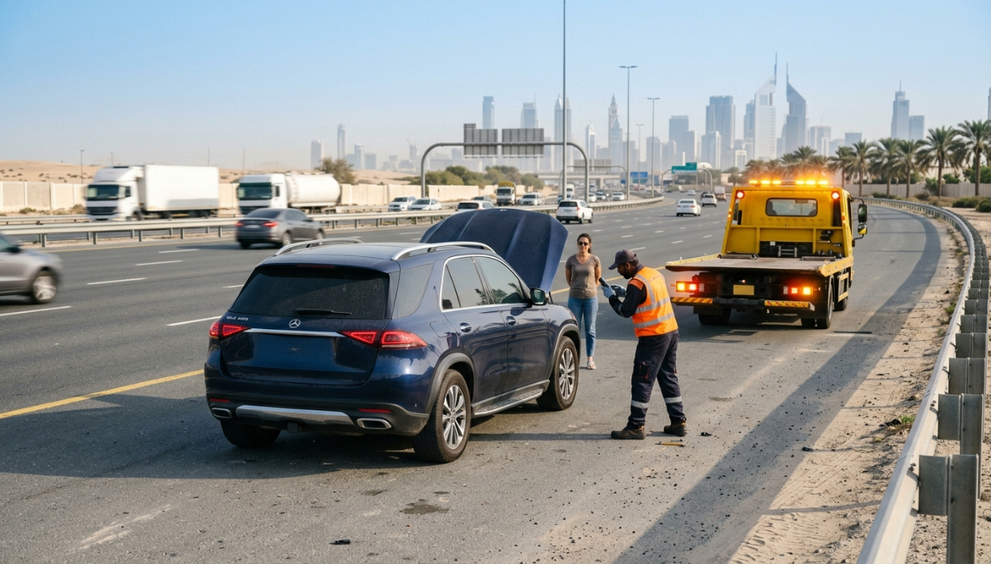
A roadside breakdown can leave you wondering what to do next, especially if your car breaks down far from home or in the middle of a busy road. Knowing how vehicle recovery works can make the situation easier to handle.
The process usually starts with contacting a recovery provider and sharing your location and vehicle details. A recovery truck is then sent to the breakdown location, where the driver checks the vehicle and chooses the right way to move it.
If you need car recovery in Sharjah, consider arranging assistance from a trusted provider such as Sayara Battery. Choosing an experienced recovery service can help ensure your vehicle is handled properly and transported safely to a suitable workshop or destination.
Knowing the basic recovery steps can also help you provide the right information and avoid unnecessary delays.
What Happens During the Vehicle Recovery Process?
1. You Contact a Vehicle Recovery Provider
The recovery process begins when you call a roadside assistance or vehicle recovery provider. You will normally need to explain where your car is and what happened. Give the operator your exact location, vehicle make and model, and a short description of the problem.
For example, tell them if the car will not start, has a flat tyre, has overheated, or has been involved in an accident. Sharing clear information helps the provider understand what type of truck or equipment may be needed for the job.
2. Your Location and Vehicle Details Are Confirmed
After receiving your call, the recovery provider confirms the location and details of the vehicle. You may be asked to share a GPS location from your phone. A road name, exit number, petrol station, building, or nearby landmark can also help the driver find you.
The provider may ask whether the car can move or whether it is completely stuck. This information matters because a vehicle that can roll may be easier to load than one with locked wheels, damaged suspension, or a serious mechanical problem.
3. A Recovery Truck Is Sent to Your Location
Once the details are confirmed, a suitable recovery vehicle is sent to the breakdown location. The type of truck can depend on the size and condition of your car. Some vehicles can be loaded using a flatbed truck, while others may need different towing equipment.
The driver may also consider the road position and traffic conditions before reaching you. During this stage, it is useful to keep your phone available so the driver can contact you if they need help finding the exact location.
You Can Also Read: ADCB Metro Station
4. The Driver Checks the Vehicle Before Moving It
When the recovery driver arrives, they normally inspect the vehicle before loading or towing it. They may check the tyres, wheels, steering, brakes, and visible damage. The driver also needs to know whether the vehicle can roll freely.
If the car has suffered an accident or has serious wheel damage, moving it in the wrong way could cause further damage.
The recovery team therefore chooses equipment based on the condition of the vehicle. This quick check also helps them decide whether the car can be moved safely.
5. The Car Is Loaded or Towed
After checking the vehicle, the recovery team prepares it for transport. A flatbed truck is often useful because the entire vehicle can be placed on the truck rather than being pulled along the road.
This can be helpful for cars with transmission problems, damaged wheels, or serious mechanical faults. The recovery team secures the vehicle before moving it.
If towing is suitable, the driver uses the correct equipment and follows the required procedure. The method depends on the vehicle type, its condition, and the type of breakdown.
6. The Vehicle Is Taken to the Right Location
Once the car is secured, the driver takes it to the agreed destination. This could be your preferred workshop, a dealership, your home, or another safe location. If the problem is minor, you may already know where you want the vehicle repaired.
For a serious engine, transmission, electrical, or cooling system problem, it is better to choose a workshop that has the right equipment and experience.
If the breakdown happens outside normal workshop hours, the car may first be moved to a secure location until an inspection can be arranged.
7. The Workshop Diagnoses the Breakdown
Vehicle recovery only moves the car. It does not always identify or repair the cause of the breakdown. Once the vehicle reaches a workshop, a technician can inspect it and carry out the required tests.
The inspection may include checking fault codes, fluids, battery condition, tyres, cooling parts, electrical systems, or mechanical components. The technician should identify the cause before replacing parts.
For example, a car that does not start could have a weak battery, starter problem, fuel issue, or electrical fault. Proper diagnosis helps avoid unnecessary repairs.
8. You Decide on the Necessary Repairs
After the inspection, the workshop should explain the problem and tell you what repairs are needed. Ask what caused the breakdown, which parts need attention, and whether the repair is urgent.
You should also ask for the expected cost before approving major work. Some problems may be simple, while others can require replacement parts and more testing.
If the vehicle has suffered accident damage, you may also need to contact your insurance provider before repairs begin. Keeping the recovery and repair details can be useful for your records.
What Information Should You Give the Recovery Company?
Providing the right information can make the recovery process quicker. Before calling, check your location and note any useful landmarks around you. You should also be ready to describe the problem as clearly as possible.
Useful information includes:
- Exact GPS location
- Road name or highway
- Nearest exit or landmark
- Vehicle make and model
- Registration details if requested
- Type of breakdown
- Whether the vehicle can start
- Whether the vehicle can move
- Any visible damage
- Your preferred workshop or destination
You do not need to know the exact mechanical fault. Simply explain what you noticed before the car stopped.
How Long Does Vehicle Recovery Take?
The time needed for recovery can vary based on several factors. Traffic, road conditions, your exact location, weather, and the availability of a suitable recovery truck can all affect the waiting time.
A breakdown in a busy area may also take longer if the driver has difficulty reaching the vehicle. Providing an accurate GPS location can reduce unnecessary delays.
The type of vehicle matters too. A normal passenger car may be easier to recover than a large SUV or a damaged vehicle that cannot roll.
Final Thoughts
Vehicle recovery is a step-by-step process that starts with contacting a recovery provider and sharing accurate information about your location and vehicle.
The recovery driver then checks the car, chooses suitable equipment, loads or tows it, and takes it to the agreed destination. After that, a workshop can diagnose the actual problem and recommend the required repairs.
Understanding how car recovery works can help you stay prepared if your vehicle suddenly breaks down. Keep your insurance details, emergency items, and important contact numbers ready so you can arrange help without unnecessary confusion.