

Common Maintenance Mistakes Car Owners Make in the UAE

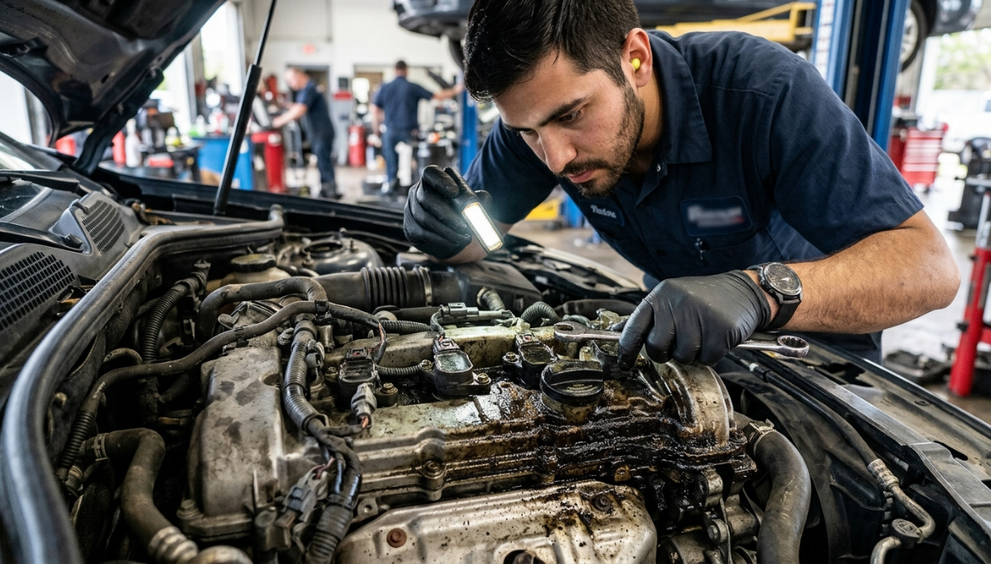
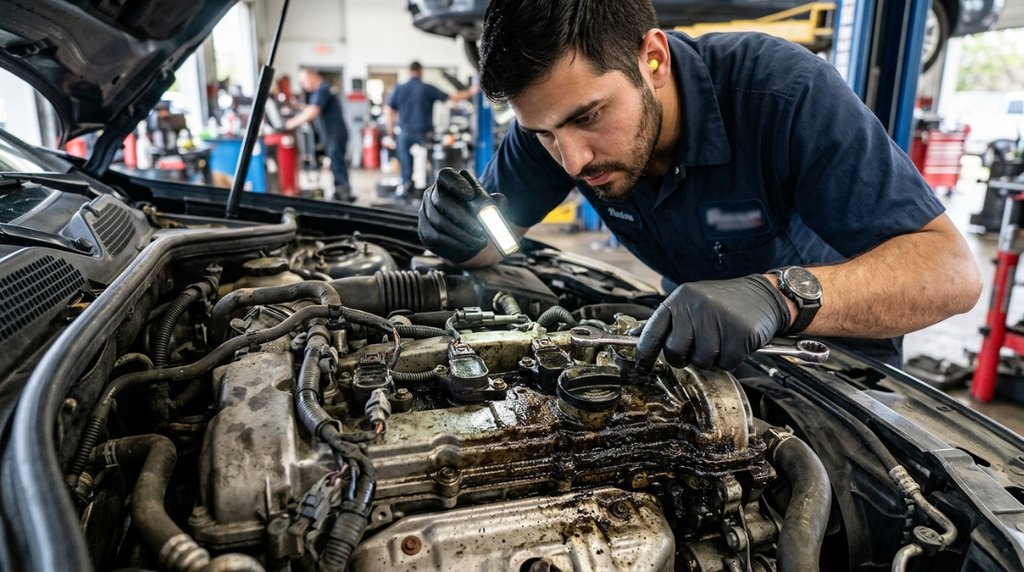
Owning a car in the UAE means dealing with intense heat, dust, sand, and busy roads. These conditions can put extra stress on many vehicle parts and make poor maintenance habits more costly.
Simple mistakes such as delaying oil changes, ignoring warning lights, or forgetting tire checks can lead to bigger problems. Regular maintenance is especially important in a desert climate.
Cooling systems, tires, batteries, AC units, filters, fluids, and electrical parts all need proper care. Knowing the most common mistakes can help car owners avoid sudden breakdowns, expensive repairs, and unnecessary safety risks.
Common Car Maintenance Mistakes to Avoid in the UAE
1. Delaying Oil Changes
Engine oil helps keep moving parts lubricated and reduces friction inside the engine. However, high temperatures can put extra stress on engine oil and may cause it to lose its effectiveness sooner.
Waiting too long between oil changes can allow dirt and old oil to build up inside the engine. This can increase wear and may lead to costly repairs.
Car owners should follow the recommended service schedule and use oil that matches their vehicle and local driving conditions. Regular oil checks are also useful for spotting low levels or possible leaks early.
2. Ignoring the Cooling System
The cooling system has an important job in the UAE’s hot climate. Low coolant, blocked radiator fins, worn hoses, or a faulty cooling fan can make it harder for the engine to stay at a safe temperature.
Some owners only check the system after the temperature gauge rises or steam appears from under the bonnet. By then, the damage may already be serious.
Regular inspections should include coolant levels, hoses, radiator condition, fans, and other cooling parts. Finding a small issue early can help prevent engine overheating and major repair bills.
3. Neglecting Air Conditioning Service
The AC system works hard during the hot months, so ignoring small cooling problems can put extra pressure on the compressor. Weak airflow, unusual sounds, warm air, or slow cooling should not be treated as normal.
A seasonal AC check can help identify refrigerant issues, worn parts, and blocked filters. Cabin filters also collect dust and sand, which can reduce airflow and affect the air inside the vehicle.
Keeping the AC system clean and properly serviced helps it work more efficiently when temperatures rise.
4. Ignoring Tire Pressure Changes
Tire pressure is another area that UAE drivers should not overlook. Hot roads and high temperatures can affect tire pressure, while underinflation can increase heat buildup and tire wear. Overinflated or underinflated tires can also affect handling and braking.
Owners should check tire pressure regularly and follow the pressure listed by the vehicle maker. It is also important to look for cracks, bulges, worn tread, and uneven wear. Proper tire care can improve safety, extend tire life, and reduce the chance of tire trouble during long drives.
5. Forgetting About Battery Health
Extreme heat can shorten battery life and increase corrosion around battery terminals. Some drivers wait until the car struggles to start before checking the battery. Slow starting or repeated clicking can be signs that the battery is becoming weak.
A battery check can measure its condition and charging level before it fails. It is also useful to check the alternator and battery connections.
Testing the battery before the hottest part of the year can help prevent an unexpected breakdown, especially for people who rely on their cars every day.
6. Overlooking Dirty Air Filters
Dust and sand are common in the UAE, and they can quickly build up in air filters. A blocked engine air filter can reduce airflow and may affect engine performance. A dirty cabin filter can also reduce AC airflow and allow more dust into the vehicle.
Many owners replace filters only when they notice a problem, but regular checks are a better approach. The right replacement schedule depends on the vehicle and driving conditions. Cars that are often driven in dusty areas may need more frequent filter checks.
7. Using the Wrong Fluids or Cheap Spare Parts
Not every oil, coolant, transmission fluid, belt, or hose is suitable for every vehicle. Using low-quality parts or fluids that do not meet the vehicle maker’s specifications can cause faster wear and poor performance.
This can be especially risky in a hot climate where parts already face high temperatures. Owners should check the required specifications before buying replacement products.
Choosing suitable parts and fluids may cost more at first, but it can help prevent repeated repairs and protect important vehicle systems over the long term.
8. Ignoring Dashboard Warning Lights
Dashboard warning lights should never be treated as something that can simply wait. A warning light may point to a small issue, but continuing to drive without checking it can allow the problem to become worse.
This is especially important for engine, temperature, brake, and battery warnings. A quick diagnostic check can help identify the cause before it turns into a major breakdown.
If a warning appears, owners should have the vehicle checked as soon as possible instead of waiting for the car to stop working.
9. Skipping Regular Tire Rotation and Alignment
Tire care involves more than checking air pressure. Poor wheel alignment can cause uneven tread wear, while skipping tire rotation can cause some tires to wear faster than others. This can shorten tire life and affect handling.
Regular alignment and rotation checks can help keep tire wear more even. Drivers who spend a lot of time in city traffic or drive long distances should pay close attention to changes in steering, vibrations, or uneven tread. Fixing alignment issues early can also prevent other suspension and tire problems.
10. Waiting for a Breakdown Before Getting an Inspection
One of the biggest maintenance mistakes is treating servicing as something that only needs to happen when the car stops working. Preventive checks are designed to find problems before they become emergencies.
A trusted workshop like Exotic Auto Services can inspect fluids, brakes, tires, cooling parts, battery health, AC performance, filters, and other important systems.
For luxury vehicles, owners may also look for a specialist such as a BMW workshop in Abu Dhabi that understands the needs of these cars. Regular checks can help reduce unexpected repair costs and keep the vehicle safer.
A Simple UAE Car Maintenance Checklist
| Car Area | What Owners Should Check |
| Engine oil | Level, condition, and service interval |
| Cooling system | Coolant, hoses, radiator, and fans |
| AC | Cooling, airflow, refrigerant, and filters |
| Tires | Pressure, tread, cracks, and wear |
| Battery | Voltage, terminals, and starting power |
| Air filters | Dust buildup and airflow |
| Fluids | Correct type, level, and condition |
| Warning lights | Check and diagnose without delay |
| Alignment | Steering, tire wear, and wheel alignment |
| Spare parts | Quality and correct vehicle specification |
Why Climate-Specific Maintenance Matters?
A maintenance plan that works in a mild climate may not always be enough for UAE driving conditions. High temperatures, dust, sand, and heavy stop-and-go traffic can place extra stress on vehicle systems.
This is why owners should pay close attention to cooling, AC, tires, fluids, filters, and batteries. Regular checks can also help identify parts that are wearing faster than expected.
Understanding how the local climate affects a car makes it easier to plan maintenance instead of waiting for signs of failure.
You Can Also Read: Al Jubail Bus Station Sharjah
How to Avoid Costly Car Maintenance Mistakes?
The best approach is to follow the vehicle maker’s service schedule and adjust checks when driving conditions require more attention. Do not ignore warning lights, unusual sounds, overheating, weak AC performance, or slow starting.
Keep records of services and repairs so you know when important work was completed. It is also important to use the correct fluids and quality replacement parts.
Most importantly, deal with small problems early. A short inspection today can often prevent a much bigger repair later.
Conclusion
Car maintenance in the UAE requires more attention because heat, dust, sand, and traffic can increase vehicle wear. Delaying oil changes, ignoring cooling and AC problems, neglecting tires and batteries, using unsuitable parts, and overlooking warning lights can all lead to avoidable costs.
Regular inspections and timely repairs are a better way to protect the engine, improve safety, and keep the car reliable. By avoiding these common mistakes and following a proper maintenance plan, UAE car owners can enjoy better performance and fewer unexpected breakdowns.