

How Mall Visits and Parking Are Affecting Your Car Battery?

What Frequent Mall Visits and Parking Habits Mean for Your Battery
If you love weekend mall trips, you might be slowly draining your car battery without even knowing it. Most drivers focus on fuel and tyres, but forget that short drives and long parking sessions can wear out a battery faster than anything else.
Frequent mall visits actually put a lot of stress on your car’s battery. Short trips don’t give the alternator enough time to recharge the battery fully. Sitting in a hot parking lot for hours also speeds up battery damage.
Over time, these habits add up and leave you with a dead battery at the worst possible moment. If you are already facing this issue, looking into an Amaron battery replacement Dubai service is a smart first step before things get worse.
How Mall Visits and Parking Affect Your Car Battery?
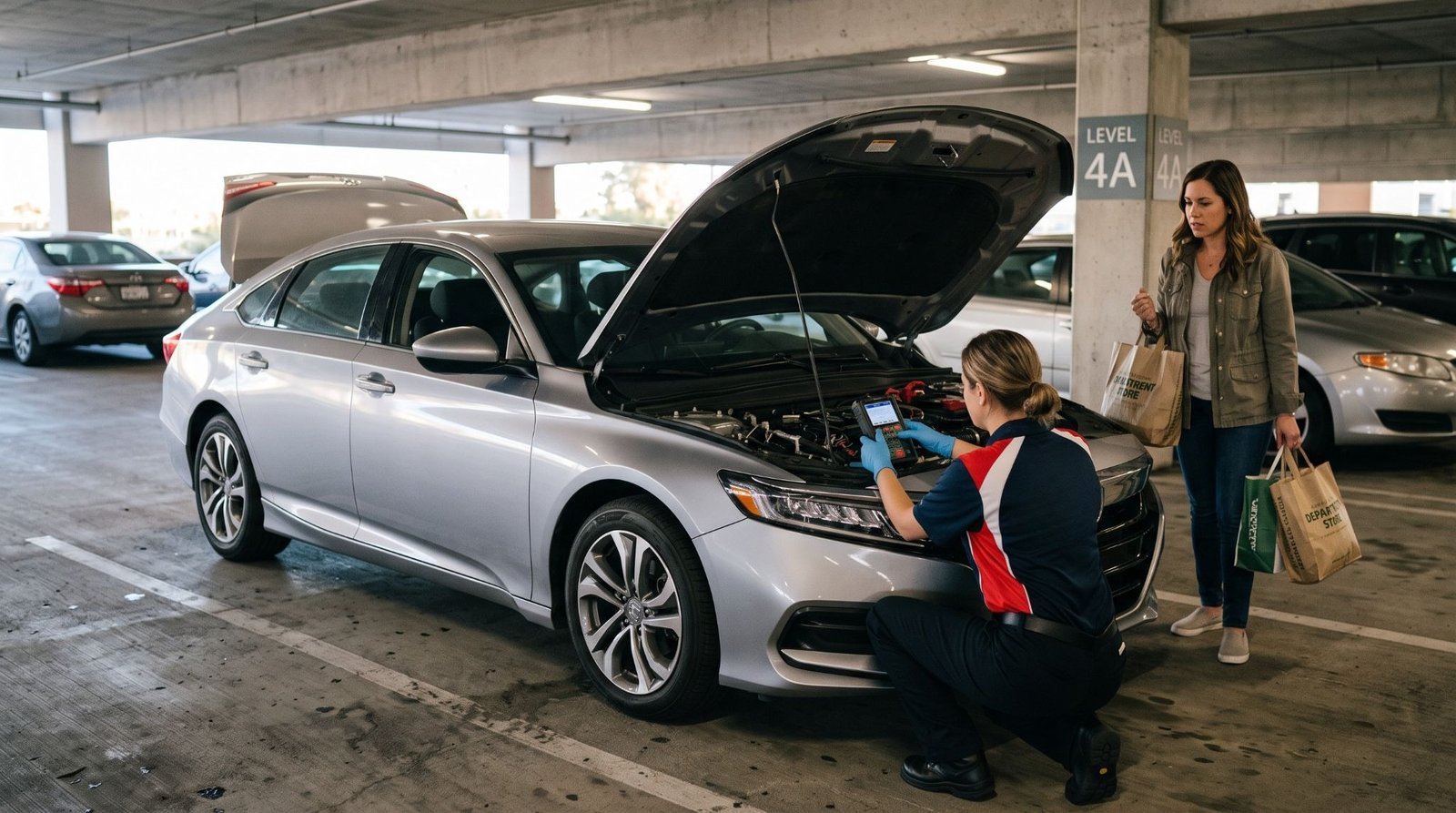
Most people don’t connect their shopping habits with car battery health. But the truth is, the way you drive to the mall and how you park plays a big role in how long your battery lasts. From extreme heat in covered parking to repeated short journeys, every visit leaves a small mark on your battery.
Understanding what happens behind the scenes can help you take better care of your vehicle and avoid getting stranded.
The Real Impact of Frequent Mall Visits on Your Battery
Here are the major ways your mall visits and parking habits are quietly harming your battery:
1. Short Trips Don’t Fully Recharge the Battery
Every time you start your car, the battery uses a burst of energy to fire up the engine. The alternator then recharges that energy while the car is running. But a quick 10 to 15 minute drive to the mall is not long enough for the alternator to fully restore what the battery used.
When this happens repeatedly, the battery slowly loses charge over time. Eventually, it gets to a point where it cannot hold a full charge anymore, and starting the car becomes harder.
2. Extreme Heat in Covered Parking Degrades Battery Fluid
Dubai’s parking areas, especially covered ones, can reach very high temperatures. Heat is one of the worst enemies of a car battery. Inside the battery, there is a liquid called electrolyte. When temperatures rise too high, this fluid starts to evaporate.
Once the electrolyte level drops, the battery cells get damaged and can no longer perform properly. A battery exposed to high heat regularly will age much faster than one kept in cooler conditions. This is a very common issue for cars parked in malls during the summer months.
3. Electrical Load While the Car Is Parked
Many drivers keep things plugged in while parked, such as phone chargers, dashcams, or even leave the air conditioning running for a few minutes after parking. Some modern cars also have features that stay active when the engine is off.
All of these things pull power directly from the battery. If you do this every time you visit the mall, the battery slowly drains even while you are inside shopping. Over many visits, this small drain adds up to a serious charge loss.
4. Repeated Engine Starts in a Single Outing
A typical mall trip involves more engine starts than people realize. You start the car at home, reach the mall, start it again to move to another parking spot, maybe leave and come back, and so on. Each start puts a heavy demand on the battery.
A healthy battery can handle this, but one that is already weak from heat or age will struggle. Too many starts in a short period without enough recharge time in between can push an old battery over the edge.
5. Long Parking Hours With Accessories Running
Some drivers like to wait in the car while family members shop. During this time, they might keep the radio on, use the air conditioner with the engine off, or leave interior lights on. All of this pulls power from the battery with nothing to replace it.
An hour or two of this is enough to drain a battery significantly. If the battery is more than two years old, it may not even recover fully after the engine runs again. This is one of the most common reasons people find their car won’t start after a long mall visit.
6. Parasitic Drain From Modern Car Electronics
Newer cars come loaded with electronics, such as GPS systems, alarms, Bluetooth modules, and central locking systems. These features are designed to stay on a low power setting even when the car is off. This is called parasitic drain.
On its own, it is harmless if the car is driven regularly for long enough periods. But if your driving is mostly short mall trips, the car never gets enough running time to make up for this constant background drain. Over weeks and months, this steady loss weakens the battery.
7. Improper Parking Position and Vibration Damage
This one is less talked about but still important. Parking on uneven ground or driving over speed bumps and rough surfaces in mall parking lots repeatedly can cause physical damage to the battery. The internal plates of a battery can shift or crack from constant vibration.
Once the plates are damaged, the battery loses its ability to hold a charge efficiently. This type of damage is permanent and usually means the battery needs to be replaced sooner than expected.
8. Frequent Use of Air Conditioning Before Parking
Driving with the air conditioning on full blast on the way to the mall puts an extra load on the alternator, which in turn pulls more from the battery. If the drive is short, the battery barely recovers from engine start before you park and switch everything off.
When this pattern repeats several times a week, especially in summer, it creates a cycle of partial discharge and partial recharge. This cycle is very hard on the battery’s internal chemistry and shortens its life noticeably.
Signs Your Battery Is Struggling From These Habits
Knowing the signs early can save you from getting stuck. Watch out for these warning signals:
- Slow Engine Crank at Startup: If the engine turns over slowly when starting, the battery lacks enough power to work properly.
- Dimmer Headlights Than Usual: Weak or flickering headlights at night usually mean the battery is running low on charge.
- Battery Warning Light on the Dashboard: This light turning on means the battery is not charging correctly and needs immediate attention.
- Slow Response From Electrical Features: Power windows or locks feeling sluggish often means the battery is not supplying enough voltage anymore.
- Rotten Egg Smell Near the Battery: This smell means the battery is overheating or leaking internally and needs inspection right away.
- Car Refuses to Start After Long Parking: If the car won’t start after parking, the battery has drained too far to recover.
If you notice any of these signs, get your battery tested right away. Do not wait until it dies completely.
How to Protect Your Battery Despite Frequent Mall Visits?
You don’t have to stop going to the mall to save your battery. A few simple changes can make a big difference.
- Take Longer Drives Occasionally: Once or twice a week, take your car on a longer drive of at least 30 to 40 minutes. This gives the alternator enough time to fully recharge the battery.
- Turn Off All Accessories Before Parking: Before you shut the engine off, make sure the air conditioning, radio, and all lights are turned off. This reduces the load on the battery the next time you start.
- Park in Cooler Spots When Possible: Try to find shaded parking or underground levels that stay cooler. Lower temperatures protect the battery fluid from evaporating too fast.
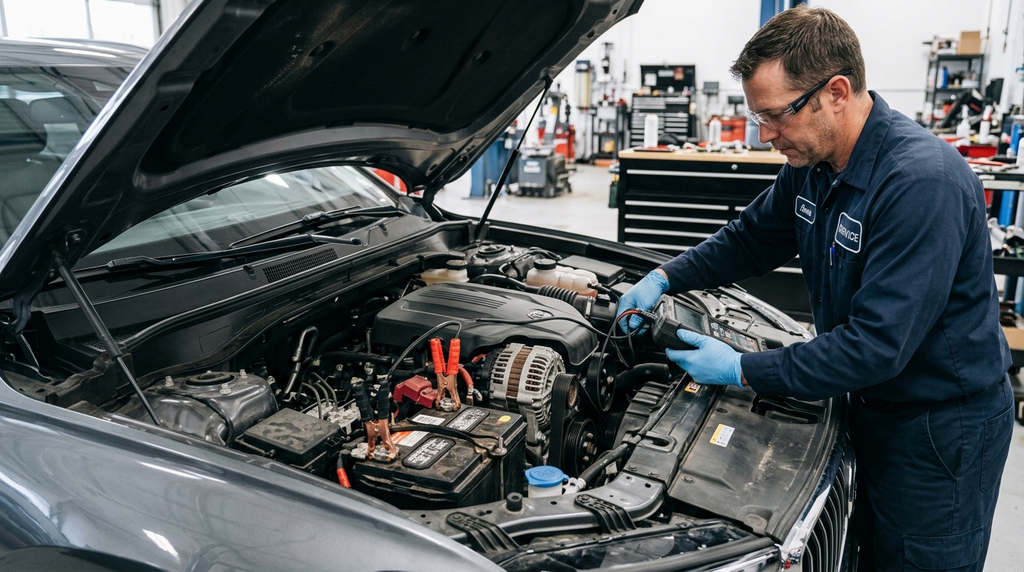
- Check the Battery Regularly: Ask a technician to test your battery every few months. A simple voltage test can tell you how much life is left. Catching a weak battery early prevents unexpected breakdowns.
- Avoid Waiting in the Car With the Engine Off: If you are waiting for someone, either keep the engine running or step out and lock the car. Keeping accessories on with the engine off is one of the fastest ways to drain a battery.
When Should You Replace Your Battery?
Most car batteries last between two and five years. But with frequent short trips, heat exposure, and heavy electrical use, that lifespan can be shorter.
If your battery is more than three years old and showing any of the warning signs mentioned above, it is better to replace it before it fails. A failing battery in a mall parking lot on a hot afternoon is not a situation anyone wants to deal with.
Conclusion
Frequent mall visits and common parking habits have a bigger impact on your car battery than most people expect. Short drives, intense heat, long idle hours, and repeated engine starts all work together to wear down the battery faster.
The good news is that most of this damage is preventable with small habit changes. Take longer drives from time to time, avoid draining accessories while parked, and get your battery tested regularly. A little attention goes a long way in keeping your car reliable every day.